Know who is nearby.
Start introductions around your shared road and find simple reasons to stay connected.

For rural roads
Bring the people along your road, lane, or hollow into one shared space. Plan ahead, pass on reliable local updates, and make neighborly help easier to coordinate.
Free for neighbors. Free to start with a public introduction. Fully private group plans.
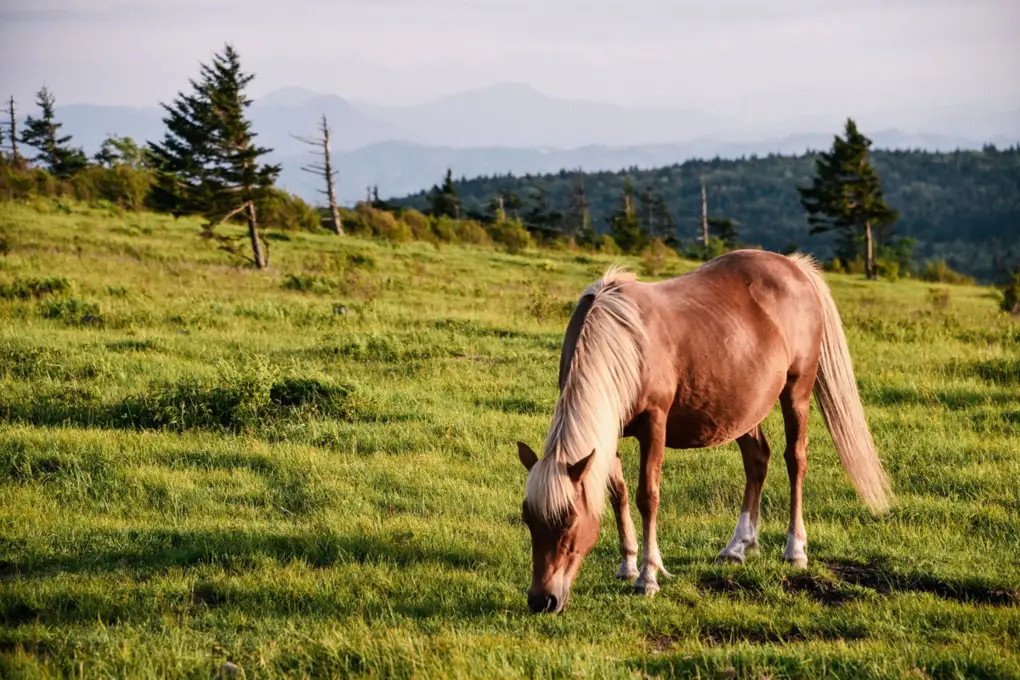
Make more of the place you share.
Start introductions around your shared road and find simple reasons to stay connected.
Discuss voluntary check-ins and useful resources while there is time to make arrangements.
Link to official road, weather, utility, and local-service information with clear sources.
Everyday invitations
Ideas to adapt for your own group.
A checked source
“Here’s the county’s current road-closure notice.”
A voluntary offer
“I can help tidy the shared verge when it’s safe.”
A little company
“Anyone for a walk along the lane this weekend?”
From a hello to a first plan
Find an existing group first. If there isn’t one for your place, give your people a clear reason to join.
Look for your community →Choose a name, broad location, and who belongs. Decide whether to have a public introduction or a fully private group.
Nayborlee reviews new groups before they open. After approval, follow your account’s setup steps, including Organizer coverage if your group is fully private.
Use the joining option your group has chosen. Post a welcome and one easy plan, then invite others to help shape what comes next.
Make it local
Describe the road or broad area and who belongs. Keep exact home locations and personal circumstances out of the public introduction.
A little help getting started
A practical launch kit for nearby roads and scattered homes, with source links, voluntary-help prompts, and offline-plan notes.
3 printable pages. No sign-in needed. Replace the bracketed prompts with your own details.
Inside your toolkit
Before the first hello
Practical answers for the people who live here and the people helping them connect.
See current pricing →No. A resident can propose a group for a road or recognizable local area. Explain who belongs and look for an existing group before starting another.
Use the road or area name and broad boundaries that neighbors recognize. A ZIP code helps with finding a group, but does not by itself describe who belongs.
No. Use official alerts and emergency services for immediate danger. The group can support planning and voluntary coordination, but is not emergency dispatch or a guaranteed alert service.
An online group depends on connectivity. Agree separately on appropriate official sources and an offline contact plan; do not rely on a group post reaching everyone.
A free group has a public introduction with its name, purpose, and broad location. Member conversations and member lists stay inside the group. A fully private group has no public introduction or search listing and uses the Organizer plan. Keep private addresses and access details out of the public introduction.
Neighbors participate free. Starting a group with a public introduction is free. Fully private groups use one Organizer plan per community; see Pricing for current rates, trial eligibility, and renewal terms. View pricing and trial terms.
Yes. A group with a public introduction can use invitations, reviewed requests, or direct joining. Fully private groups are invitation-only. Explain who the group is for in its introduction so people can choose the right place.
Nayborlee reviews new groups before they open. After approval, complete the setup shown in your account, choose any required Organizer coverage for a fully private group, and then welcome your first members.
Yes. More than one person can help organize a community. Start with a small team and agree who welcomes people, helps with joining requests, and keeps the first few plans moving.
Browse Happenings for county activities and area guides, then share a relevant link with your group. Check the original organizer’s listing for the latest time, location, cost, and accessibility details before making a plan. Private group plans stay separate from public activity listings. Explore Happenings.
Ask people whether they want a check-in and what they are comfortable sharing. Make specific voluntary arrangements directly and avoid posting private health or access details to the group.
Confirm conditions are safe and that people are equipped for the task. Use qualified services for dangerous work. A neighbor’s offer does not replace official guidance or required permissions.
It starts with your people